


Table of Contents
- Step 1: Look for 925 Sterling Silver Hallmarks
- Step 2: How to Test Silver With a Magnet
- Step 3: Run the Cloth, Ice, and Ring Tests
- Sterling Silver vs Silver Plated: Telling Them Apart
- Step 4: Chemical Testing Without Damaging Your Piece
- Step 5: Weight, Wear, and Patina Checks for Genuine Sterling Silver
- When to Buy From a Trusted Source Instead
- Frequently Asked Questions
Last Updated: September 25, 2026
Step 1: Look for 925 Sterling Silver Hallmarks
The fastest way to identify genuine sterling silver is to find its hallmark, an official stamp that tells you the metal's purity. On sterling silver, look for "925," ".925," or "Sterling." These stamps usually sit in hidden or high-wear spots: the inner band of a ring, the clasp or tag of a necklace, or the back of a silverware handle.

Where hallmarks hide on jewelry and silverware
Hallmarks show up in predictable places once you know where to look:
- Rings: inside the band, often near the bottom
- Necklaces: on the clasp, a jump ring, or a tiny attached tag
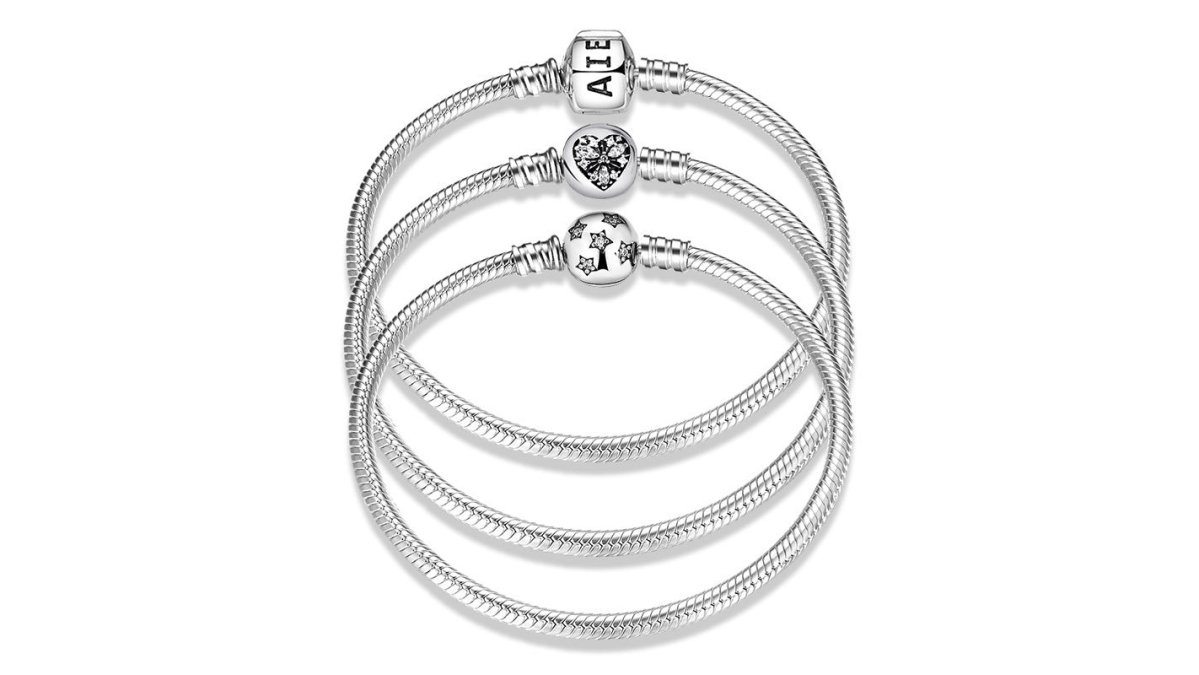
- Bracelets: on the clasp or the last link
- Earrings: on the post or the back of the stud
- Flatware: on the back of the handle, near the bowl or tines
Counterfeit hallmarks: what fakes get wrong
Counterfeiters know buyers look for "925," so they stamp it on cheap base metal. A few tells give them away:
- Blurry or uneven stamping: Real hallmarks are crisp and clean. Fakes often look smudged or shallow because they're stamped with lower-quality dies.
- Wrong font or spacing: Genuine stamps follow consistent lettering. Look for serif fonts on older pieces and sans-serif on modern ones. If the "9" has a straight tail or the "2" looks like a "Z," be suspicious.
- A stamp on a piece that feels too light: Silver has real weight to it. If the piece feels feather-light, the stamp is likely fake.
- Missing maker's mark: Many real pieces carry a maker's stamp next to the purity mark. A lone "925" with no other marks is a common fake.
- Stamps on seams or solder joints: Genuine hallmarks are usually placed on solid metal, not on a seam where plating can hide.
- Inconsistent depth: Run your fingernail over the stamp. Real hallmarks are stamped into the metal with even pressure. Fakes may be laser-engraved or cast, leaving a shallow or raised impression.
How to inspect a hallmark like a pro
Use a 10x jeweler's loupe or a smartphone macro lens. Genuine hallmarks have sharp, defined borders; fakes often have rounded or blurry edges. Check placement: on rings, the hallmark should be centered inside the band; on flatware, on the back of the handle. If the stamp is on a curved surface, it should follow the curve evenly.
What about "Sterling" vs. "925"?
Both are valid: "Sterling" is the word mark, "925" the numerical mark, and some pieces carry both. In the U.S., the National Gold and Silver Stamping Act requires silver jewelry sold as sterling to be stamped with its fineness, though antiques may predate this law or use marks like "Coin" or "Mexican silver." A "925" alongside a maker's mark is a good sign; a lone "925" on a mass-produced piece warrants caution.
The bottom line on hallmarks
A hallmark is your first clue, not your proof. Use it to narrow down candidates, then confirm with the physical tests below. When in doubt, walk away.
Step 2: How to Test Silver With a Magnet
The magnet test is simple: hold a strong magnet to the piece. Genuine sterling silver is non-magnetic, so it won't stick. If your piece clings, it contains iron, nickel, or another magnetic base metal, a clear sign it isn't solid sterling.

Why the magnet test is only a first filter
Think of the magnet test as a quick way to rule pieces out, not in. If the magnet sticks, it's not sterling. If it doesn't stick, you've learned almost nothing, you still need the cloth, ice, and ring tests.
Step 3: Run the Cloth, Ice, and Ring Tests
Three quick tests can confirm what the magnet started, each checking a different property of silver.
| Test | What It Checks | Passes If... | Fails If... |
|---|---|---|---|
| Magnet | Magnetic metals | Magnet doesn't stick | Magnet sticks |
| Cloth | Tarnish and oxidation | Dark residue appears | No residue, too shiny |
| Ice | Thermal conductivity | Ice melts fast | Ice melts slowly |
| Ring | Sound and density | Clear bell-like ring | Dull thud |
Sterling Silver vs Silver Plated: Telling Them Apart
Sterling silver is a solid alloy: 92.5% pure silver mixed with 7.5% copper or another metal (What is sterling silver?). Silver-plated items have a thin silver layer over a base metal like copper, brass, or nickel, and the plating wears off over time. This matters for value: sterling holds its worth as scrap silver, while plated pieces are worth almost nothing once the coating wears.
Look for these signs of plating:
- Worn spots where the silver has rubbed off, showing a different color underneath
- A copper or brass tint at edges and high-wear areas
- Flaking or peeling on the surface
- A "silver on copper" or "EP" stamp, which means electroplated, not solid
Silver-filled: the middle ground most guides skip
Silver-filled jewelry sits between sterling and plated: a thicker layer of real silver bonded to a base metal core, usually copper, much heavier than plating. Silver-filled pieces are often stamped "925" too, which confuses buyers, they're not solid sterling, but not cheap plating either. If the price seems low for the weight, silver-filled is a likely reason.
Step 4: Chemical Testing Without Damaging Your Piece
Chemical tests confirm purity, but they can damage your jewelry. The acid test is the most common: a drop of nitric acid on sterling silver turns a creamy white, on base metal turns green or foamy, and on plated pieces eats through the silver layer to react with the metal below.
Safety-first chemical testing: what you need to know
Nitric acid is corrosive and can cause severe burns, and even diluted jewelry-testing solutions can damage skin and eyes. Work in a well-ventilated area, ideally near an open window or outdoors. Wear nitrile gloves and safety glasses, keep a bowl of baking soda nearby to neutralize spills, never store acid near food or drinks, and lock the kit away from children and pets.
Non-destructive testing methods for antique and delicate pieces
If you're testing an antique or a piece you can't risk damaging, skip the acid. Safer alternatives:
- X-ray fluorescence (XRF) testing: A jeweler or pawn shop can use a handheld XRF analyzer to determine metal composition without touching the piece. This is the gold standard for non-destructive testing. Many jewelers offer it for a small fee.
- Ultrasonic testing: Some jewelers use ultrasonic thickness gauges to measure the silver layer on plated pieces. This can tell you if a piece is silver-filled or solid.
- Specific gravity test: Weigh the piece in air, then weigh it suspended in water. The difference gives you its density. Sterling silver has a specific gravity of about 10.36. This test requires a precise scale and a bit of math, but it's completely non-destructive.
- Electronic silver tester: These handheld devices use conductivity to distinguish sterling from plated and base metals. They're more expensive than acid kits but reusable and safe. Look for models that specify sterling silver detection.
How to use a testing stone correctly
A testing stone (or touchstone) is a small slab of slate or basalt. Rub the silver piece firmly on it to leave a visible streak, then apply a drop of the appropriate acid, for sterling, the 18K or 925 acid. A creamy white or light gray indicates silver; green or bubbling indicates base metal. Rinse the stone after each use and never use the same spot twice.
When to skip chemical testing entirely
If the piece is valuable, antique, or sentimental, don't risk it, take it to a reputable jeweler, many of whom test for free or a nominal fee. If you're buying from a seller with a return policy, you can often skip testing and rely on the guarantee. No home test is 100% accurate; even acid testing can give false readings on silver-filled or thickly plated pieces.
Step 5: Weight, Wear, and Patina Checks for Genuine Sterling Silver
Your hands and eyes can catch what a magnet misses. Silver has a distinct weight and density for its size: a sterling piece feels solid and cool, while a plated piece of the same size often feels lighter.
Check the wear patterns too:
- High points on real silver wear down gradually and evenly
- Plated pieces wear through in patches, showing the base metal
- Edges on sterling stay silver-colored, while plated edges often show copper or brass
When to Buy From a Trusted Source Instead
All these tests take time, and some can damage the piece. For most buyers, the smarter move is buying from a seller who stands behind what they sell.
Frequently Asked Questions
How can I tell if my sterling silver is real or fake?
Start by checking for a hallmark: look for '925', 'Sterling', or 'STG' stamped on the piece, usually on a clasp, inner band, or the back of a pendant. Then run a magnet across it. Genuine sterling silver is non-magnetic because it contains no iron or nickel core. If the magnet sticks, you likely have silver-plated brass or steel. Finish with a visual inspection for wear patterns, since plating often flakes at edges.
Does a magnet stick to real sterling silver?
No. Genuine sterling silver is non-magnetic, so a magnet will not stick to it. This makes the magnet test a useful first filter for spotting base metal cores like steel or nickel. Keep in mind that some fake pieces use non-magnetic base metals such as brass or copper, so a magnet that does not stick does not prove authenticity on its own. Pair it with a hallmark check and a visual inspection.
What is the difference between 925 silver and silver plated?
925 sterling silver is a solid alloy: 92.5% pure silver mixed with 7.5% copper for strength, and that composition runs through the entire piece. Silver-plated items have only a thin layer of silver electroplated over a base metal like copper, brass, or nickel. Plated pieces are lighter, cost far less, and show wear quickly, with the silver layer flaking or rubbing off at high-contact points such as clasps and ring bands.
How do I use an acid test kit for silver safely?
Acid test kits typically contain nitric acid, which is corrosive and produces fumes. Work outdoors or near an open window, wear nitrile gloves and eye protection, and keep the kit away from children and pets. Scratch a small, hidden spot on the piece, apply one drop of the test solution, and check the color reaction. Because the test leaves a permanent mark, avoid using it on antique or collectible items where a visual check and magnet test will do.
Knowing how to identify genuine sterling silver puts you in control. But testing every piece yourself isn't realistic, and chemical tests can ruin jewelry you love.
Prime Titan takes the risk out of the equation. We offer authentic 925 sterling silver jewelry, secure checkout, and fast U.S. shipping, so you can shop with confidence. Get started with Prime Titan and find fine silver pieces you'll never have to second-guess.
Leave a comment
All comments are moderated before being published.